Article 1 described how energy cost has limited controlled environment agriculture, and why efficiency gains alone have not closed the gap. This article looks at the other side of that problem: what a CEA operation needs from a site, and what a powered-land campus built around a data center can offer.”
That is the premise behind what we are calling Gen 2 infrastructure: a powered-land campus model that combines a data center’s power and thermal infrastructure with a separately operated agricultural facility and a genuine community-benefit component—planned as one system from the start, rather than bolted together after the fact.
The Model, Named Plainly
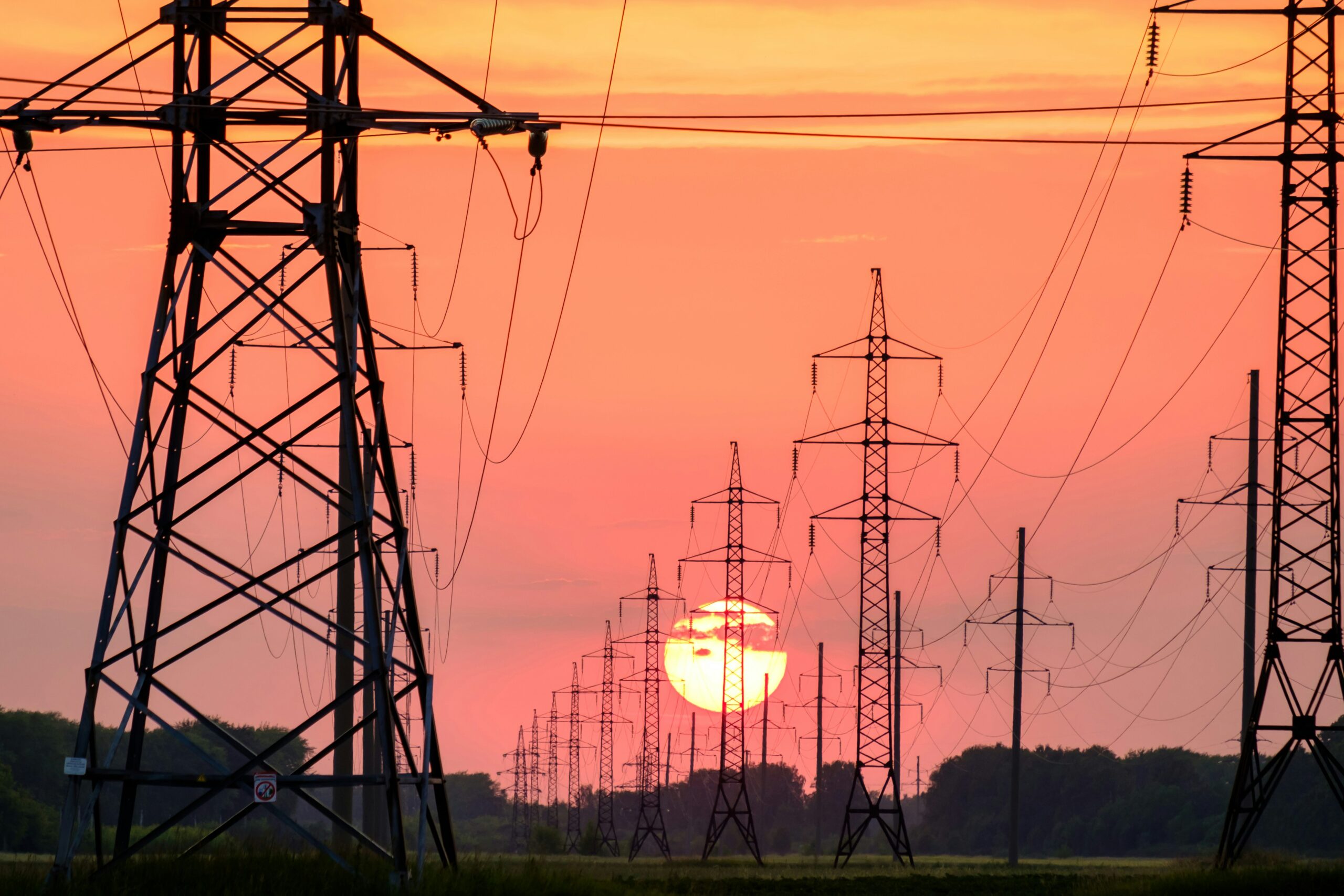
A Gen 2 campus starts with the same foundation as any large data-center site: a substantial, reliable power interconnection, on-site generation or behind-the-meter capacity to supplement grid supply, and redundancy sufficient to protect uptime. None of that changes. What changes is what else the site is designed to accommodate from day one.
Three additional elements get planned into the campus at the outset:
- behind-the-meter power capacity sized with enough headroom to serve a secondary tenant;
- a thermal-reuse pathway that captures waste heat from cooling systems rather than dissipating it, and routes it to a use that can absorb it continuously;
- and a land and infrastructure allocation for a separately financed, separately operated CEA facility positioned to use that power and heat.
A community-benefit framework—local hiring commitments, workforce partnerships, and early, plain-language engagement—is built in alongside these, not negotiated in afterward under pressure.
What Behind-the-Meter Power and Thermal Reuse Actually Change
Consider the constraint we named in the first article in this series: CEA’s operating economics are dominated by the cost of substituting infrastructure for climate—lighting, heating, and irrigation, all purchased as energy. A Gen 2 site does not eliminate that cost, but it changes the shape of it in two ways.
Behind-the-meter access gives a co-located greenhouse a power source with different reliability and procurement characteristics than a standard utility interconnection, sized from surplus capacity the campus was already building for redundancy; the commercial terms vary by campus and are negotiated case by case, so treat them as terms to establish and not as assumptions for the pro forma. Waste heat that a data center currently pays to reject (through cooling towers, dry coolers, or other rejection infrastructure) becomes, for an adjacent greenhouse, a heating input that would otherwise be purchased separately. Data centers reject heat continuously, in every season, which happens to match a greenhouse’s year-round heating demand far better than most conventional heat sources do. The temperature and form of that heat depend on the data center’s cooling design, so the greenhouse heating system has to be engineered around what is actually available. Some designs pair directly with greenhouse heating, and others need added equipment.
Neither of these is a novel concept in isolation; thermal reuse and behind-the-meter arrangements exist elsewhere. What is different here is designing both into the campus from the earliest site and electrical planning, instead of retrofitting them onto an operating data center years later, when the cost and disruption of adding them are far higher.
What the Arrangement Asks of the Operator
The greenhouse on a Gen 2 campus is the secondary tenant, because the data center’s uptime defines the critical path and cannot depend on an agricultural neighbor. An operator should understand what that means before committing to a site. A data center’s economics and its contractual obligations depend on availability measured in fractions of a percent. An adjacent greenhouse, however well-intentioned, cannot become a dependency the data center relies on, and it cannot become a variable the data center’s operator has to manage.
Capacity and heat extended to the greenhouse come from margin the campus has planned for that purpose. The terms around that margin matter: how much power is committed and for how long, under what conditions it can be curtailed, and what notice the operator receives. Settle these in writing, and ask for the thermal and electrical interfaces to be isolated with fail-safe disconnection, which protects both facilities.
This design discipline has to be engineered into the site plan, the electrical and thermal architecture, and the contractual structure between the two operators—which is also why the two facilities are financed and operated separately rather than as a single joint venture. Plan the greenhouse to operate without the campus, even at a higher cost, with its own backup heating and power. Lenders will look for exactly that, and a separately financed operation is a stronger credit than one that depends on a single arrangement.
Why Community Engagement Matters to the Operator
Article 2 of this series described why community trust in data-center development tends to break down: the process is long but largely invisible, and residents’ first real exposure to a project often comes near final zoning, with little context for what they’re being asked to approve.
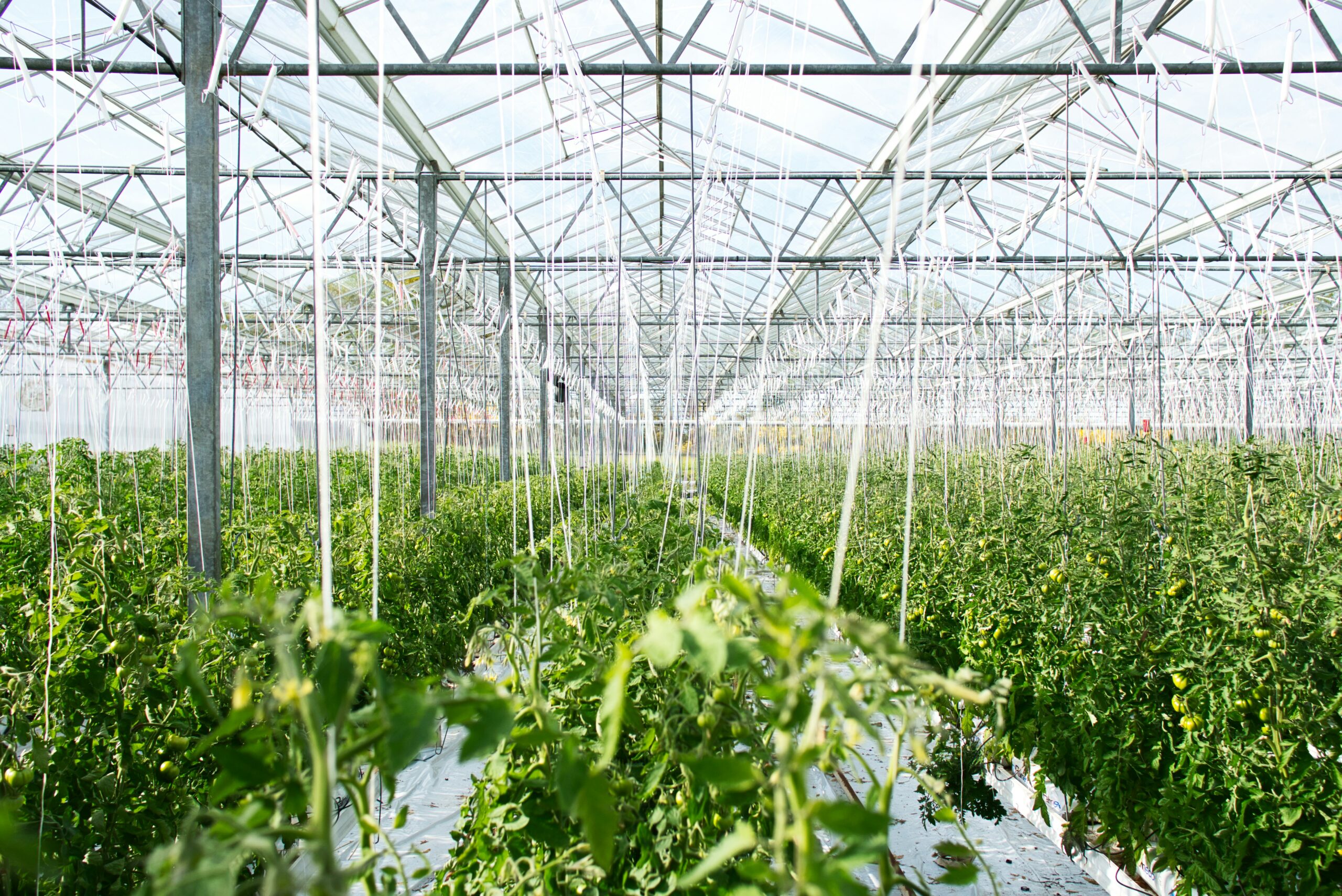
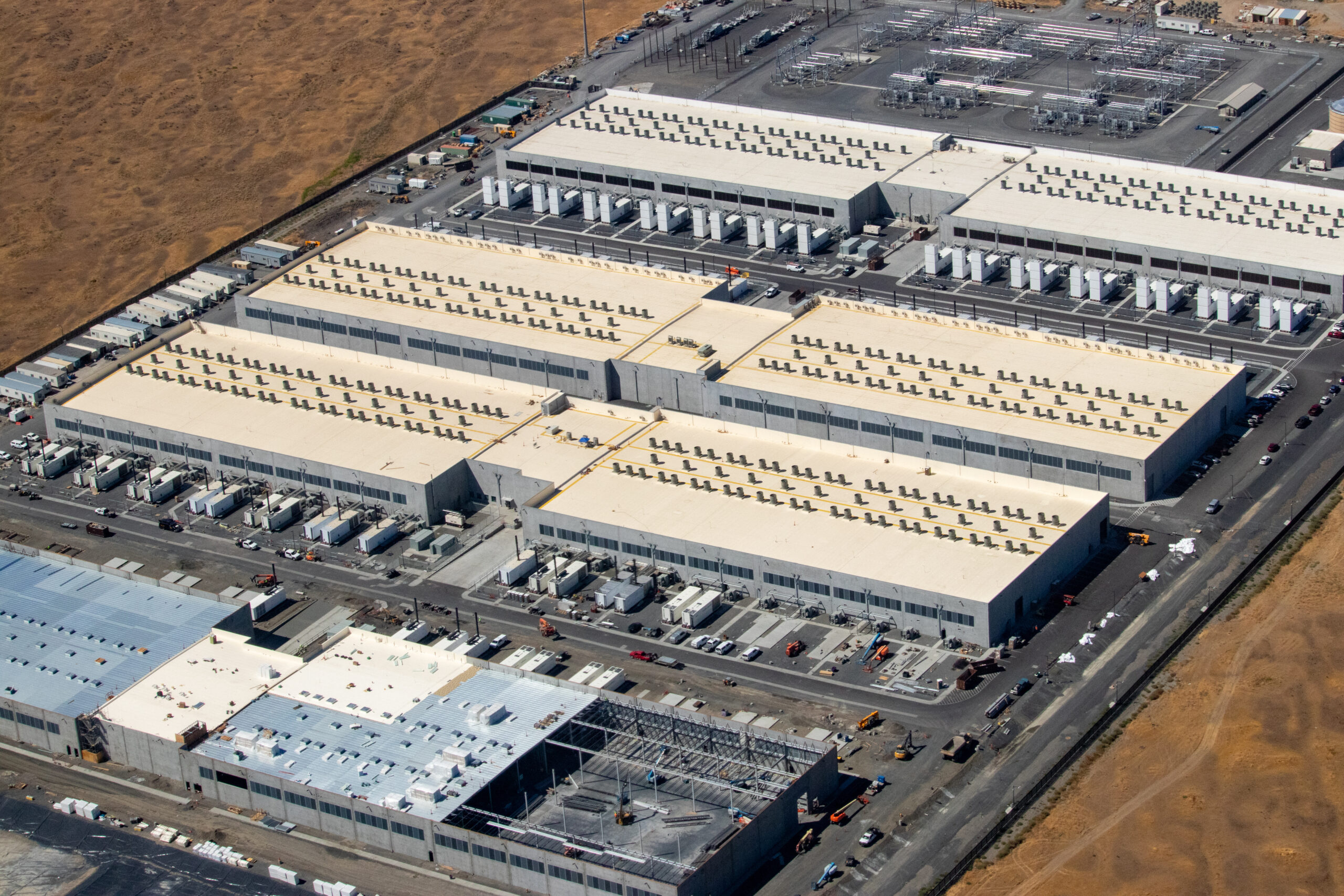
A Gen 2 campus gives that early engagement something concrete to point to that isn’t the data center itself. A commercial greenhouse operation on the same site—with visible local jobs, a product residents can see and understand, and a use of “wasted” heat that plainly benefits the region rather than just the developer—is a materially easier story to tell a planning commission and a neighborhood than a windowless building full of servers. For the operator, the stakes are practical: a campus that stalls in entitlement leaves the greenhouse waiting. Ask the developer early how and when the community will be engaged, and whether the greenhouse is part of that plan.
Where LLK Fits
None of this happens by accident, and none of it happens by treating the greenhouse as an afterthought bolted onto a data-center site plan late in the process. It requires a design and construction partner who can sit inside the electrical, thermal, and site-planning conversation from the start, translating what a data-center campus can safely make available into a greenhouse design that is fully separable, fully financeable, and genuinely productive on its own terms.
LLK works with operators on the greenhouse itself and on how it connects to the systems around it. As a vendor-neutral firm, LLK selects heating, cooling, and control systems to fit the operator’s crop, scale, and business plan, and takes part in electrical, thermal, and site planning early so the greenhouse is fully separable from the data center and workable on its own terms.
What Comes Next
This model is not theoretical. Versions of it—large energy users co-located with greenhouse operations sharing power and heat—have been built before, in other markets, under different regulatory and economic conditions. The next article in this series looks at what those precedents, particularly in Ontario and the Netherlands, actually show: what worked, what constrained them, and what a U.S. Gen 2 campus should learn from both.