Gen 2 infrastructure, as described in the third article in this series, is a new arrangement for U.S. markets, but it is not a new idea. Two of the world’s most productive greenhouse regions—the Leamington-Kingsville area of southwestern Ontario, and the Westland region of the Netherlands—have spent decades proving that co-locating greenhouse production with shared power and heat infrastructure works. Neither is a perfect template for a data-center-anchored campus, but both are worth understanding before assuming a U.S. version starts from a blank page.
Ontario: The Greenhouse as the Anchor
The Leamington-Kingsville region is the largest concentration of commercial greenhouse acreage in North America, and the model that built it is straightforward: growers install their own combined heat-and-power generation on-site, sized to meet the greenhouse’s own heat and CO2 needs, with any surplus electricity sold back to the provincial grid.
It has been, by most measures, a genuine success. The region has sustained consistent growth for years on the strength of this approach, and the CHP-driven model has become close to standard practice for new development there. It is also a model with a real constraint: growth in the cluster is increasingly limited by the capacity of the natural gas pipeline infrastructure serving the region, not by demand for the produce or appetite for more acreage. Growers there have been directly engaged with regulators on exactly that bottleneck.
The Netherlands: The Region as the Coordinator
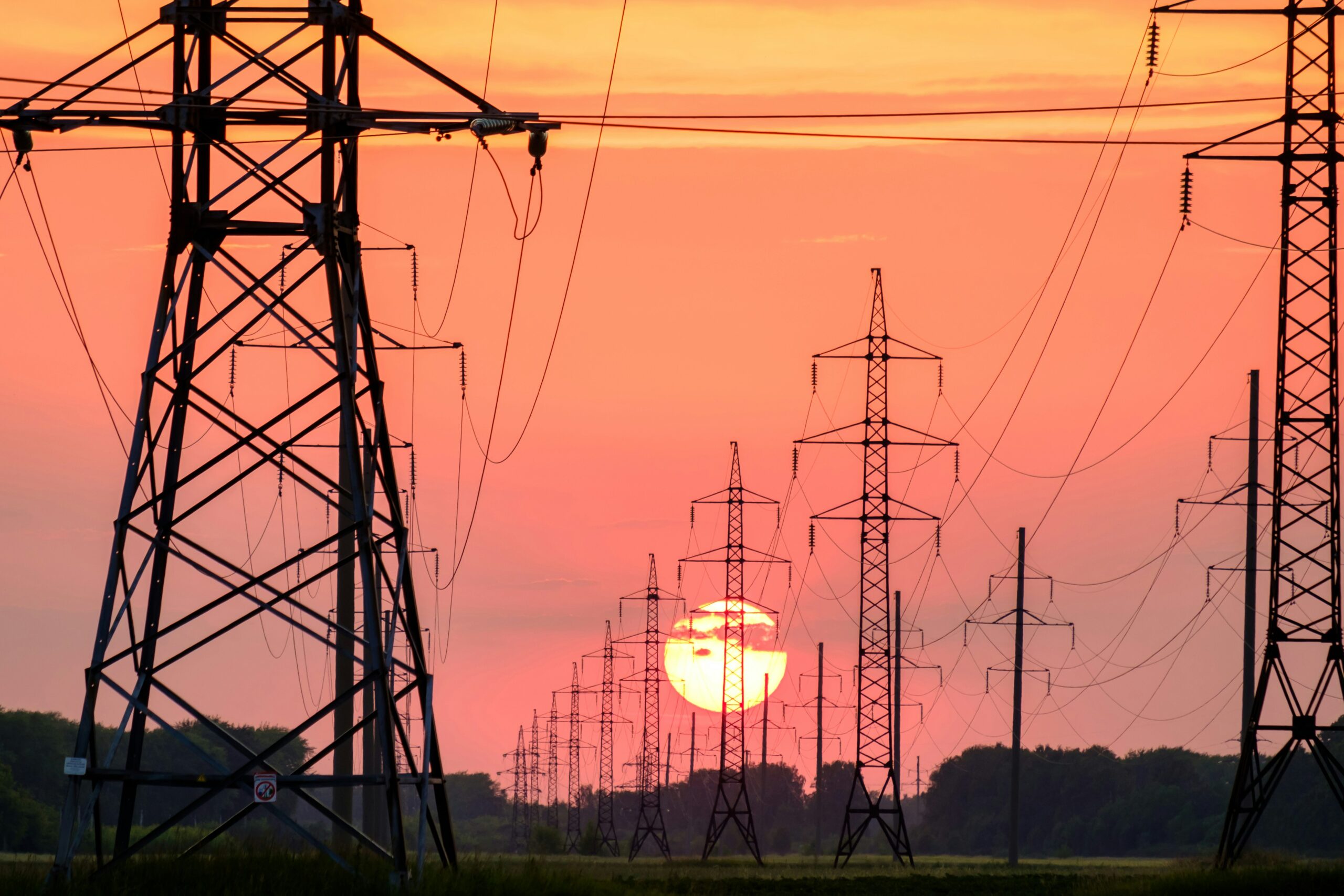
Westland takes a different shape. Greenhouse horticulture is by far the dominant energy user in the municipality, and rather than each grower solving power and heat independently, the region has organized shared infrastructure at a district scale—combined heat-and-power installations, and increasingly geothermal heat networks, coordinated with municipal involvement and financing support, serving clusters of independently owned greenhouse businesses.
The lesson from Westland is less about the specific technology and more about the governance model: shared thermal infrastructure works when a coordinating layer—in this case, a municipality with financing and permitting authority—takes responsibility for connecting the businesses that need heat to the infrastructure that can supply it, rather than expecting each grower to negotiate that individually.
What’s Genuinely Transferable
Both regions confirm the core physical premise this series has been built on: greenhouse production and shared power-and-heat infrastructure are not a theoretical pairing. They are a proven one, operating at real commercial scale, over a long enough timeframe to have worked through the operational issues that only show up after years of use.
Both also confirm something this series has argued from the start: growth in these models eventually runs into an infrastructure constraint that has nothing to do with the greenhouse business itself—gas supply in Ontario’s case, grid and heat-network capacity in Westland’s. Energy infrastructure, not crop science, sets the ceiling.
Where a Gen 2 Campus Must Diverge
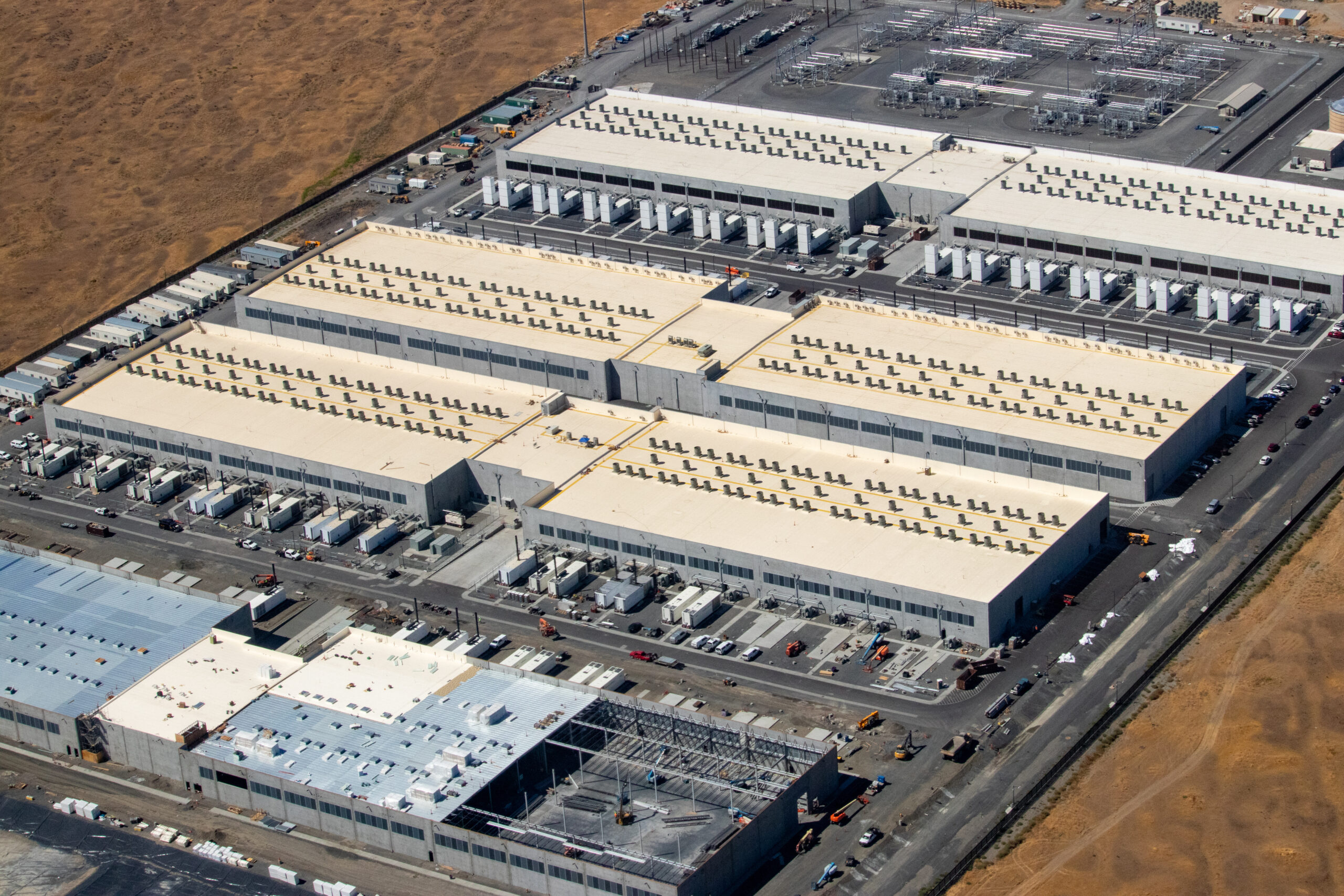
The more important lesson is where these precedents stop applying. In both Ontario and the Netherlands, the greenhouse sector is the anchor; it is the reason the power and heat infrastructure exists in the first place, whether that infrastructure is grower-owned or municipally coordinated. A Gen 2 campus inverts that relationship entirely. The data center is the anchor. It is the reason the power infrastructure gets built, sized, and financed, and the greenhouse is the secondary beneficiary of capacity and heat the data center was never depending on the greenhouse to help pay for.
That inversion is precisely why the critical-path discipline described in the last article matters as much as it does. Neither Ontario nor the Netherlands had to design for a scenario where the primary tenant’s business has zero tolerance for the secondary tenant’s operational risk; in both precedents, the grower was the primary tenant, managing their own risk on their own terms. A Gen 2 campus has to build that isolation deliberately, because the two precedents this series has looked at never had to.
It is also why the Ontario and Netherlands cases can’t speak to the community-trust question at the center of Article 2. A grower-owned CHP plant or a municipally coordinated heat network doesn’t carry the same profile, locally, as a hyperscale data center; there is no equivalent fight over rates, water, noise, or tax abatement in either region’s history, because there was never a third-party industrial anchor asking the community to accept it. That piece of the model is genuinely new, and it has to be built without a precedent to lean on.
What Comes Next
Ontario and the Netherlands prove the physics and the economics work at scale, over decades, in more than one governance structure. They do not prove out the specific arrangement a Gen 2 campus requires: a data-center anchor, a separately financeable greenhouse, and a community-benefit case built in from the start. The final article in this series turns to what that means in practice, for investors and operators evaluating entitlement risk, deal structure, and where this model actually improves the odds of getting a project built.
This is Article 4 of a five-part series exploring the convergence of energy infrastructure, controlled environment agriculture, and community benefit planning.