Autumn brings beautiful foliage and relief from the exhausting heat of summer. However, these months also mean dropping temperatures, early frost, and other environmental changes that impact your greenhouse. Properly preparing your structure for these shifts spares you from unnecessary snags (and major frustrations!) down the road.
But, what does prepping involve?
Naturally, you want to be as thorough as possible. Because, in the end, your greenhouse facility is your most valuable asset. Leaving one stone unturned can lead to numerous issues, such as pest infestations, faulty equipment, and poor yields.
Accounting for everything, from exterior structures to biofilms, ensures comprehensive greenhouse protection, allowing for a productive fall season.
1. Structural Preparations
Being proactive is crucial for greenhouse stability and efficiency throughout the autumn months. Addressing structural issues early is certainly better than on a frigid, snowy day. Moreover, you can budget for possible winter expenses or planned projects after completing significant work now.
Exterior Checklist
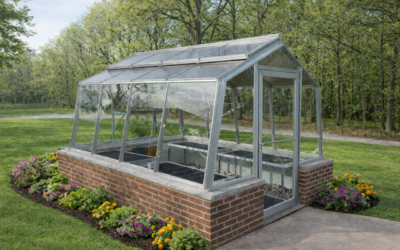
You can never be too meticulous when assessing the exterior of your greenhouse. Remember, even the smallest crack in glazing allows cold overnight temperatures to seep inside the grow space, potentially causing irreversible crop damage.
Inspect the structure from top to bottom. Look closely for any signs of physical damage and repair issues immediately. You can easily fix minor slits and holes in coverings with patches or caulk. However, replacing the panel may be necessary for larger issues.
Additionally, assessing gutters for proper drainage is essential. Clogged systems or downed spouts allow water to pool around the base of your greenhouse, leading to soil erosion and foundation settlement.
Ideally, you want your greenhouse to look as pristine and sound as the first day of operation. We recommend 1.) conducting an extensive inspection, 2.) mitigating problems, and 3.) regularly monitoring for any external changes as the season progresses.
Assess for these issues when preparing your autumn greenhouse:
- Cracks, holes, punctures, inflation, or light transmission in glazing
- Rusty, broken, or clogged gutters
- Deteriorating concrete piers or foundations
- Missing screws or bolts in structural elements
- Leaking, rusty, or blocked plumbing
- Dirty polycarbonate or acrylic panels
- Loose glazing clips or bar caps
Interior Checklist
The interior is equally important as the exterior of your greenhouse. While the structure offers protection from the elements, the interior helps ensure crops receive the care they need to flourish and thrive.
Many of the same procedures apply to internal and external maintenance. For example, you want to fix gaps, cracks, or holes where air can infiltrate the greenhouse.
Inspecting vents is another step in the preparation process. Check to ensure all vents are tightly sealed, adjusting for gaps when necessary. Next, clear racks of dirt and debris by applying a small amount of lubricant. Bearings, hinge points, and pinions also require greasing for efficiency.
Of course, doors and windows should be fully operational. Assess every opening for security—you certainly don’t want exterior temperatures or moisture to creep inside!
Here are problems to monitor when prepping for the fall growing season:
- Corroded or damaged wires
- Improper safety equipment (e.g., lack of fire extinguishers, eye protection, first aid, etc.)
- Dirty, blocked, or inoperable vents
- Rusty door and window hinges
- Cracks in flooring or concrete
- Gaps around doors
2. Environmental Control Preparations
Every plant variety has highly specific needs. While some species thrive in cooler and moist conditions, others crave hot, dry desert-like climates. Thankfully, environmental controls allow growers to cultivate these crops regardless of external factors.
Still, these systems only work if they’re properly maintained and optimized for the changing seasons. Hence, we see the importance of readying your heating, cooling, and other automated equipment for the fall. Rectifying any issues ensures plants stay happy and healthy.
Heating Systems
A functioning and efficient heating system is essential in greenhouse cultivation. Imagine your furnace failing on the coldest evening of the season—the losses could be astronomical. Your main goal should be inspecting for any factors that can impact operation.
Below are steps for ensuring your plants stay warm this fall:
- Perform a deep clean: Ensure your furnace, pilot lights, electric sources, gas lines, and vents are clean and free from hazardous debris. Use a wire brush on radiators and/or fans.
- Look for leaks: Always check heating systems for signs of a gas/fuel leak. Listen for hissing sounds near a gas line or look for higher-than-normal gas bills. If you experience headaches, dizziness, or nausea, turn off the heat immediately and consult your utility company.
- Conduct a test run: The best way to check equipment is to perform a test run. Check for efficiency and listen for unusual noises or vibrations.
- Test backup generators: While fall days are typically mild, the nights can bring freezing temperatures depending on your location. Backup generators are important to have on hand in case of an unexpected power outage or equipment failure. Play things safe by making sure everything runs smoothly.
- Keep an equipment log: Use logs to review heating efficiency and functionality throughout the season. You can look back on this information if you encounter problems with your bill, inadequate heat, or other signs of malfunction.
Cooling Systems
Akin to preserving valuable heat, cooling systems are necessary for maintaining proper temperatures and humidity levels. They also help keep your employees comfortable while working!
Here are ways to test your cooling systems for year-round efficiency:
- Clean pump tanks: For evaporative cooling systems, set time aside to empty, vacuum out, flush lines, and clean pump tanks.
- Disinfect cooling pads: Mold can grow on cooling pads. To remove harmful fungi, clean and disinfect your cooling pads frequently.
- Inspect fans: Depending on your cooling system, you may have various types of fans to provide proper air movement. Inspect these fans for dust, debris, and bent/damaged shutters. You can also use a manometer to check for effectiveness. However, always disconnect the fan power source before inspection.
- Conduct a test run: Again, a test run offers the chance to assess for minor issues before they cause significant problems.
- Keep an equipment log: Logs are as essential with cooling systems, too. Remember to regularly update this information for future reference.
Sensors
Sensors provide real-time insights into crop health and greenhouse conditions. If this equipment fails, maintaining the ideal environment becomes much more difficult.
When preparing your greenhouse for fall, test sensor calibration for accurate measurements. Gently clean equipment to remove any debris or dust that may affect proper readings. Lastly, inspect for damage and proper power connection.
Lighting Systems
As a commercial grower, you understand why supplemental lighting can be so critical, especially as the daylight hours shorten. As autumn approaches, examine lighting systems to ensure peak performance.
Use this checklist as you inspect lighting systems before the fall growing season:
- Clean bulbs of dust
- Check for missing or broken bulbs
- Assess for overheating by examining plants
- Look for loose or frayed wiring
- Replace any flickering or flashing bulbs
- Fix unusual light colors by recalibrating systems
- Check power supplies for stability and consistent voltage
3. Irrigation Equipment Preparations
Providing reliable water and nutrients fosters robust, fruitful, and healthy plants. Regardless of your irrigation system, proper preparation is key to a successful autumn harvest.
Your irrigation maintenance checklist should include the following steps:
- Assess fluid flow
- Deep clean filters and injectors
- Flush fertigation systems
- Monitor for biofilms
- Measure water pressure
- Test water quality for appropriate pH levels
- Unclog drip emitters
4. Pest Maintenance Preparations
Pests, fungi, and diseases thrive in the greenhouse environment. These pesky invaders can devastate entire crops, even before you notice the signs of infestation. You can greatly reduce the risk of root rot, mealy bugs, mildew, and other problems with proactive (and reactive) safety measures.
Here are our tips for ensuring your greenhouse stays pest-free this autumn:
- Address any entrance areas (e.g., cracks, holes, etc.)
- Remove any plant residue
- Place yellow sticky cards to detect winged insects
- Install screens on doors and/or vents to prevent entrance
- Regularly inspect plants/substrates for signs of pests
- Keep a record of detected issues (e.g., plant illness, pest numbers, root health, pest location, etc.)
- Have interventions geared toward specific pests on hand (now is a good time to revisit your IPM strategy for the next year)
5. Sanitization Schedule Preparations
A clean greenhouse is a successful greenhouse. Fall is a great time to catch up on necessary sanitization practices. A sterile space is an integral part of maintaining pest control, adequate heating, proper airflow, and water quality. Creating and following a cleaning schedule will keep your greenhouse in tip-shop shape this fall.
Here are our recommendations for cleaning your greenhouse:
- Power wash floors
- Use hydrogen peroxide to disinfect recirculated irrigation water
- Sanitize wood structures with a mild bleach solution to kill fungi
- Rinse the exterior with a hose
- Disinfect pots, trays, shelves, and other equipment
- Remove debris from the exterior and interior
- Clean glass panels with a commercial cleaner or soapy water
- Disinfect benches with a quaternary ammonium compound
In Conclusion
We hope our list of tips for preparing your autumn greenhouse proves useful as you start planning for the coming months. Still, keeping your plants safe from the outside elements is only possible with the right supplies and equipment.
Our team at LLK Greenhouse Solutions will ensure your business operates at full capacity and efficiency despite the changing seasons. With over 90 years of experience in the industry, we’ve helped thousands of happy customers seamlessly pass through the fall months. Contact us today for more information about how we can assist you in creating your dream greenhouse.