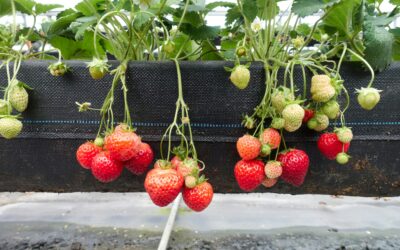
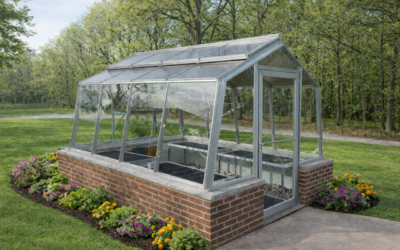
Even in a frigid Midwest winter, crop scientists can mimic summerlike conditions to study plant behavior in high temperatures or extreme drought. Research in these facilities advances global food security and provides insights in creating optimal environments for sustainable indoor farming.
But creating those conditions comes at a cost. Growing crops in these energy-intensive operations poses a significant challenge for greenhouse operators who need to balance their production goals with sustainable energy management and operating costs.
Consider that energy accounts for 20%-30% of total greenhouse expenses.
To address this, there is a growing focus on achieving near-zero energy consumption in greenhouses by minimizing energy usage for operations like heating and cooling while maintaining optimal growing conditions.
Advances in technology are making this balance more achievable. Energy curtains are one of the more practical solutions for minimizing energy losses, and creating uniform growing conditions in adverse environments.
What Are Energy Curtains?
Energy curtains act as both shading during hot weather and as a thermal barrier in cold climates, minimizing heat loss. They can reduce heat loss by 20% to 75% and provide shading of anywhere from 15% to nearly 100%.
According to one estimate, some growers have saved up to 50% on their heating bills using energy curtains, while others have significantly cut their electricity consumption due to reduced cooling needs. When used on greenhouse walls, energy curtains can provide an ROI of about 30%.
In addition to temperature control, energy curtains help manage humidity levels. Condensation is a common issue in greenhouses when outside temperatures are cold. The droplets can drip on plants and cause disease. Energy screens serve a dual purpose in this situation, providing both a protective barrier over plants when condensation occurs and helping to stabilize humidity levels. For climate control, greenhouse operators can use energy curtains in combination with other solutions such as insulated blankets or reflective sheeting.
Adding to these benefits, installation of energy curtains and the resulting improved energy effeciency often qualifies for rebates, further improving the ROI of the investment.
Types of Energy Curtains
Energy curtains are made of various materials, including polyethylene, PVC, or fiberglass, and can be hung from the ceiling or walls. Curtains can also be combined with other heating and cooling systems, including insulating blankets and reflective sheets.
Types of curtains include blackout, diffusion, shade, thermal and light abatement.
Various screens are available to help greenhouse operators achieve optimal growing conditions while reducing energy consumption. Energy curtains can be affixed to walls or trusses.
Some curtains may be more transparent to allow for more light transmission during the winter, while others have shading properties to minimize light exposure in the hotter months.
Selection and Installation Considerations
Selecting the type of greenhouse energy curtain is dependent upon specific circumstances. Light, temperature and humidity criteria for different crops will dictate the proper selection of curtain material and its characteristics.
For instance, blackout curtains provide photoperiodic control and may be needed for greenhouses using supplemental lighting due to local regulations against light pollution. Transparent curtains are typically preferable for vegetable crops in northern climates, while energy curtains with moderate to high shade value are used for ornamentals and lettuce in moderate and warm climates.
In the northern climates, for instance, you want that higher light transmission–but heat savings in cold times of the year. Lettuce and ornamentals will require lower light, but blocking out the solar gain will help with peak heat problems.
Regional differences also influence the type of material selected. Screens with a closed weave and aluminum strips provide shading during the day and energy conservation at night, holding warmth during night down at the crop level. Greenhouse operators can crack the screen sections during to allow excess moisture to escape. In hotter climates, open-weave materials are often more suitable as they allow unwanted heat and humidity to rise and escape through roof vents.
Another consideration is whether to use a sliding or suspended shading system. In suspended greenhouse curtain systems, hooks are attached to reinforced portions of the screen and suspended from support wires. These systems typically offer better wind resistance, making them ideal for open-roof, sawtooth vent designs and exposed greenhouses.
Maintenance Tips
Greenhouse energy curtains have a limited lifespan (about eight to 10 years), but there are steps operators can take to prolong their use. Consider the following maintenance tips to ensure optimal screen performance and longevity:
- Mind the gaps: Ensure no gaps exist between the wall and the screen to prevent cold air from escaping. Cold spots can lead to temperature inconsistencies and uneven crops.
- Replace wiring as needed: When wire beds surrounding the curtains fray, it’s time to replace them or they can begin cutting into the screen. Monofilament wire should be replaced whenever the curtain is replaced.
- Keep it clean: Use water and/or manufacturer-approved cleaning solutions.
- Measure light transmission: Use a handheld photosynthetic active radiation, or PAR, sensor to detect the amount of light transmitted. This can help growers understand how screens are performing and adjust, when necessary.
Next Steps
Ready to optimize your greenhouse’s energy efficiency?
Start by conducting an energy audit of your current setup and calculate your potential savings with energy curtains. A greenhouse solutions specialist can help you in the evaluation process and determine the most suitable energy curtain system for your specific climate, crop needs and operational goals.