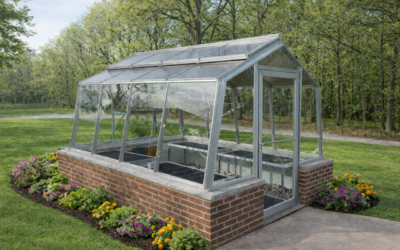
Winterizing your greenhouse is paramount to securing the health of your plants when temperatures drop–regardless of your local climate. Proper preparation helps prevent equipment hiccups and damage from severe weather, thus saving you from substantial crop loss.
Frost, snowfall, and sleet can come sooner than expected in some areas, so starting on your winterization checklist during the fall is recommended. The last thing you want to do is overlook critical issues because you rush the process.
Give yourself plenty of time to clean, sanitize, and inspect your greenhouse—focus efforts on ensuring you can combat even the most unpredictable conditions.
1. Inspect Structural Elements
The first step in winter-proofing your greenhouse is inspecting the interior and exterior from top to bottom. Remember, even the smallest crack in glazing, glass, or polycarbonate panels allows cold air to infiltrate the grow space. Failing to fix such issues also leaves space for excess moisture from snow and rain to deteriorate the structural integrity of various building components.
Perform a weekly assessment of essential building elements, such as cladding, insulation, and gutters. Maintain a log of problem areas you notice and repairs completed. If you request replacement parts, include reference numbers and dates of service, too. A written record of this information can ensure you stay on top of maintenance.
A secondary preventive measure is having extra repair supplies on hand. For example, if you notice a small opening in any structure, a foam sealant or caulk can help mitigate the issue temporarily until you can connect with your greenhouse design team.
Here are areas to inspect in preparation for the colder months:
- Glazing: Wash and remove dirt from panels to ensure adequate light transmission. Assess for cracks, discoloration, or gaps and make repairs to prevent heat loss. If you have poly covers, pull the plastic taut to reduce movement and protect from it rubbing against the frame.
- Foundation: Ensure your foundation is sound and stable. If you notice sinkage or settlement, contact a professional to diagnose and repair the issue.
- Gutters: Clean leaves, twigs, and other debris from downspouts and gutters. Clear systems allow water to flow away from the foundation, helping prevent damage to the overall structure.
- Trusses and frames: An eroding frame can be detrimental to your entire operation. Wooden frames can harbor unwanted pests, so regularly inspect for signs of infestation. For metal structures, check for rust, rot, mold, or general wear and tear. Tighten bolts and trusses to protect against high winds.
2. Deep Clean and Sanitize
Winterization is the perfect excuse to catch up on your sanitization routine. The autumn growing season can be busy, meaning some maintenance tasks like cleaning can fall between the cracks. However, these duties are essential for facilitating a prosperous winter harvest.
Pests, bacteria, and fungi can turn any piece of equipment, structural element, and propagation tool into their home. These pesky intruders can wreak havoc on plants, but chlorine, hydrogen peroxide, or quaternary ammonium sanitizers can kill them on impact. Remember to dilute solutions before use according to label instructions.
Below are essential steps of the cleaning process when winterizing a greenhouse:
- Washing equipment: Pests and harmful pollutants can live on equipment, environmental controls, growing media, and other structures. To prevent issues this winter, sanitize the entire structure while inspecting for necessary repairs along the way.
- Sanitizing floors, benches and walls: Deep cleaning and disinfecting greenhouse floors remove bacteria, mold, or diseases that could infect and kill crops. Washing walls and panels maximizes light transmission and ultraviolet radiation, so your plants stay healthy.
- Tidying up materials: Disinfecting, organizing, and preparing equipment can simplify the transition to the colder months.
- Removing debris: Remove debris or leftover material from the last growing season to limit the risk of cross-contamination and pests.
- Purge and clean hydroponics: Sanitize your hydroponic system to ensure reservoirs and channels are pathogens-free.
3. Check Heating and Insulation
As a seasoned grower, you understand the importance of consistency in controlling the growing environment. Failing to test your heating systems before winter can lead to major headaches in the future in the event of a power outage or equipment failure. To monitor functionality and efficiency, conduct regular assessments on burners, coils, blowers, boilers, and motors. In some cases, purchasing a new heater is more cost-effective than repairing multiple parts.
Replace damaged glazing and repair any splits in poly to maintain maximum heat retention properties. Inflated double polyethylene provides a 1.5 R-value, helping reduce heat loss and higher utility bills.
Additionally, installing thermal screens, bubble wrap, or having supplemental heat sources on hand(e.g., small, portable heaters) can be beneficial, especially in areas where winter storms can be dangerous.
Follow these steps to ensure adequate heating this winter:
- Test and calibrate environmental control sensors
- Replace outdated or ineffective equipment
- Assess glazing for damage
- Fill cracks or gaps in door frames, vents, or walls
- Check for signs of gas or fuel leaks
- Inspect motors regularly
- Ensure fans and blowers are working properly
4. Test Lighting Systems
The winter months bring shorter days, making supplemental lights beneficial for supplying crops with the required daily light integral year-round. Does your environmental control system have the ability to measure available light and control by DLI? This is an efficient alternative to using timers to control supplemental lighting.
Issues like corrosion or damaged wires can cause electric shocks, fires, and faulty connections. Moreover, flickering or burnt-out bulbs equal uneven distribution of light, leaving crops susceptible to stretched stems, fewer leaves, and reduced flowering. You also run the risk of increased production costs due to inefficiency.
Another step to safeguard against issues this winter is to invest in more reliable, energy-efficient light sources. LEDs are significantly more efficient than HID lamps, and many states offer significant rebate programs for cultivation operations investing in the newer technology.
Here are our tips for prepping your lighting systems for winter:
- Replace flickering, broken, or dim HID bulbs
- Check wiring for corrosion, tears, or other damage
- Remove dust from lamps
- Clean luminaires with a damp cloth
- Inspect reflectors for dirt, calcium spots, or pesticide residue
5. Ensure Proper Airflow
Ventilation and airflow are a priority in the winterization process. Adequate aeration promotes proper humidity control, pest and pathogen management, and overall plant health. Furthermore, despite frigid outdoor conditions, interior temperatures can rise to harmful levels, potentially resulting in heat stress, reduced yields, and even crop death. Avoid allowing stagnant air to ruin your winter growing season by being proactive.
Tasks to maintain airflow in your winterized greenhouse include:
- Assess vents, motors, fans, and electric connections for cleanliness and damage
- Use a cloth to remove dirt from racks and lubricate as necessary
- Run vent machines to ensure racks and pinions are aligned and functioning appropriately
- Remove obstructions from vents
- Close fans and check vent seal to reduce cold drafts
- Check fan belts for wear and alignment
- Seal gaps in walls, doors, and panels
6. Filter & Drain Water Systems
A great irrigation design provides the foundation for successful nutrient delivery. However, as with any other system, frequent service is critical for efficiency and productivity. Winter can be an ideal time to drain and sanitize irrigation equipment. Remember to also insulate pipes as needed to retain heat, reduce condensation, and prevent freezing.
Perform the below tasks to keep water systems functioning in your winterized greenhouse:
- Clean and unclog drippers to remove salt build-up
- Drain water tanks and remove any sediment
- Reset water pressure
- Disinfect filters and screens
- Check hot water tank temperatures
- Assess for and repair leaks
- Insulate pipes where freezing is possible
- Replace missing or damaged valves, motors, or filters
- Ensure critical spare parts are on hand
- Monitor for biofilms
7. Have Backup Generators Available
Lastly, when possible, invest in a generator(s) to prepare your winterized greenhouse for major storms and power outages. Before the first snowfall or frost, perform a test run on backup energy sources and ensure fuel is on hand for emergencies. This simple risk-mitigation step can be a determining factor in the success of upcoming growing seasons.
In Conclusion
Winterizing a greenhouse is paramount for growers in colder climates. Frosts, blizzards, and ice storms are often unpredictable, but you can defend against considerable losses with the right preliminary measures. We also recommend erring on the side of caution.
If you do experience issues with your equipment, structure, or environmental controls, our expert team at LLK Greenhouse Solutions is ready to offer guidance and support. From poly roof replacement to benching design, we have over 90 years of experience creating strong, weather-resistant greenhouses. If you’re ready to start planning for this upcoming winter, contact us today for a consultation!